Melinda Markey - Executive Director’s One-Year Anniversary
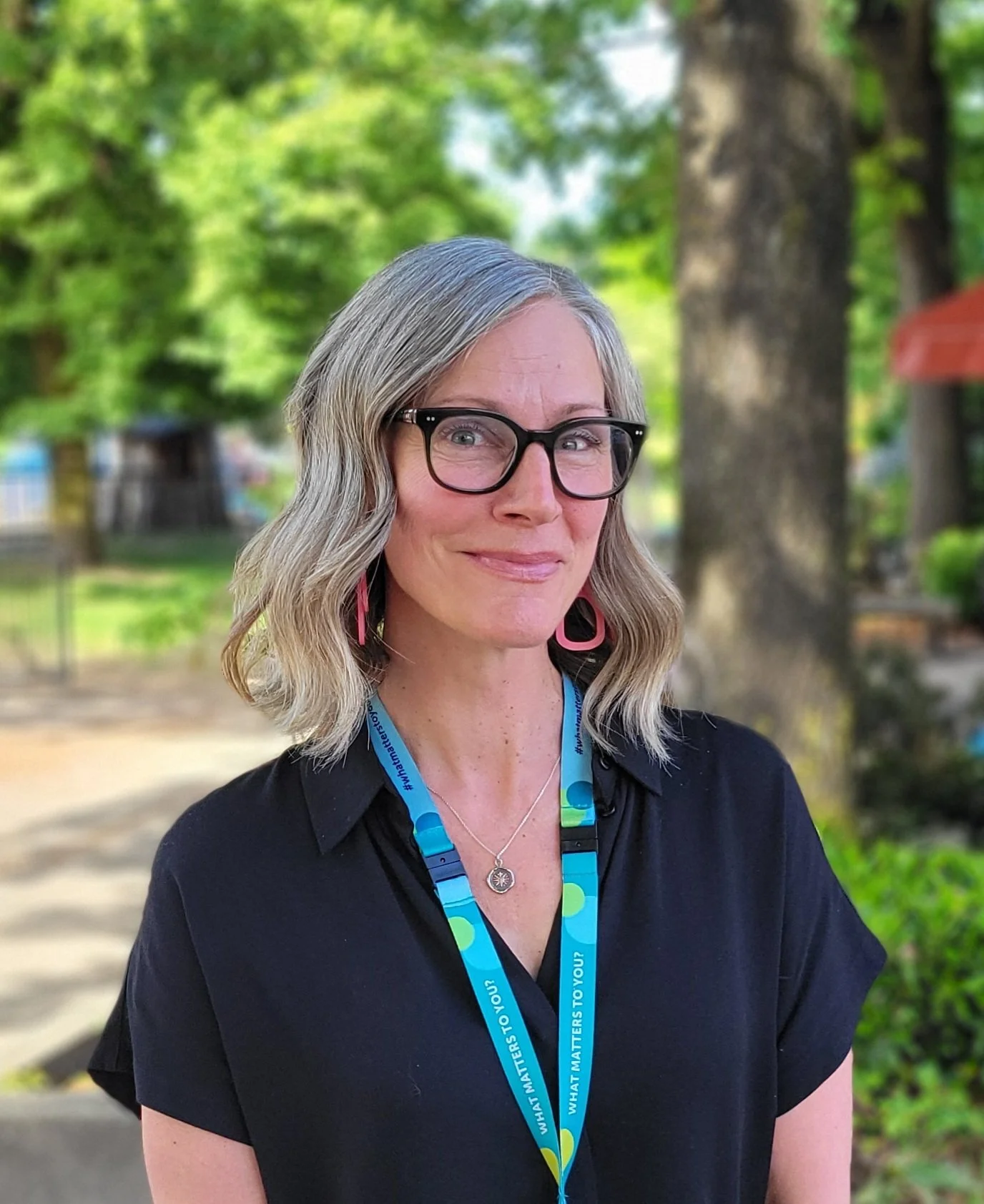
Melinda Markey, REACH Executive Director
To celebrate Melinda’s one‑year anniversary, we’re excited to share a special interview blog post highlighting a conversation between our Executive Director and REACH’s Board of Directors. In this interview, she reflects on her first year in the role, shares insights on leadership and community impact, and looks ahead to what’s next for REACH. We invite you to read on and learn more about her journey, vision, and the values that continue to guide our work.
What has it been like for you to step into the Executive Director role?
“It’s been amazing. This role with REACH has deepened my understanding of what it really means to lead in a space that is trying to do things differently. Some days it even has a bit of East Van Panto energy (in the best way!), a little chaotic, very heartfelt, and deeply rooted in community.
The people really are everything. I know everyone says that, but here it actually feels true. There hasn’t been a single day that I haven’t looked forward to walking through the front door. People show up in such thoughtful, generous ways for patients and for each other, and I feel incredibly lucky to spend my days alongside them.
Add in a supportive Board and a 15-minute walk to work in the community I live in… I really did win the work lottery.”
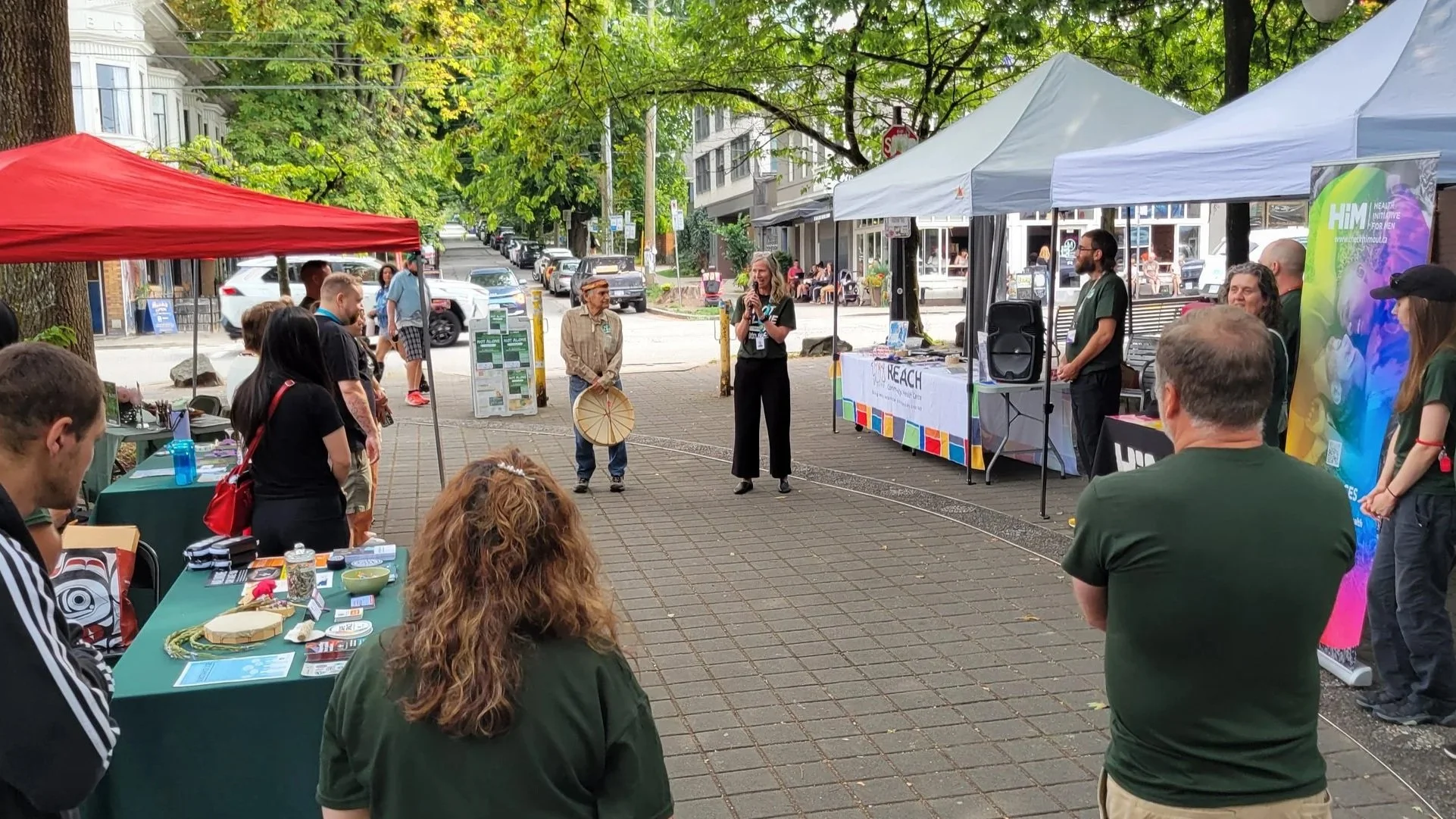
Melinda alongside an Elder at the International Overdose Awareness Day outreach event.
What is something that has surprised you in your first year?
“What’s surprised me most are two things.
The first is how community health centres aren’t fully funded for the work they’re actually doing. When you see the complexity of care, the time it takes, and the realities people are navigating, it becomes very clear that the current funding model doesn’t quite match what’s needed.
The second is how hard it can be to navigate the healthcare system when you’re facing any kind of barrier. Whether that’s mobility, language, insurance, or something else, those challenges don’t exist in isolation, they compound. What might seem like a small barrier can quickly become the thing that stops someone from accessing care altogether.
What’s been powerful is seeing how alive the staff here are to all of that. There’s a real commitment to being trauma and resilience informed, not just in theory, but in how people show up every day. Taking the extra time. Meeting people where they are. Understanding the broader context of someone’s life, not just the immediate clinical need.
It’s made me see more clearly both the gaps in the system, and the incredible role that places like REACH play in bridging them.”
Can you recount a funny moment or story from your first year?
“There was a humbling moment early on that, at the time, did not feel funny at all… but definitely does now.
A toilet overflowed in the dental clinic and slowly made its way into the waiting room… and then kept going… into the medical side. It was one of those situations where you’re watching it happen in real time thinking, this cannot be happening.
And then suddenly, everyone is involved. Leadership, clinical staff, admin, all of us with mops and towels, water creeping into our shoes, just trying to contain it.
I remember having a brief moment of, is this really my job right now? And then just getting on with it.
In hindsight, it actually captured something really true about REACH. When something happens, everyone shows up. No one steps back and says “that’s not my role.” We just figure it out together.
Also, I now have a much deeper appreciation for facilities management than I ever expected!”
What are some of the important lessons you have learned in this role?
“I think one of the biggest lessons has been learning to keep coming back to purpose.
There’s a lot to navigate, and it’s not always clear what the “right” decision is. What’s helped me is asking, does this reflect who we are and what we stand for, not just what’s easiest or most immediate?”
What do you see as challenges facing REACH in the mid and long term? And how can we tackle them together?
“I think one of the biggest challenges we’re facing is the growing gap between what communities need and what the system is currently set up and funded to provide.
We’re seeing increasing complexity, whether that’s people navigating care without insurance, language barriers, or other challenges that make access more difficult. At the same time, community health centres like REACH are often asked to do more without a corresponding increase in resources.
That said, I also see a real opportunity in that. There’s a growing recognition of the unique role that not-for-profit, community-governed organizations play in the health system. I was recently a guest on a BC Society for Policy Solutions webinar series exploring this “not-for-profit advantage,” and it really reinforced what we see every day at REACH. We’re able to respond to community needs in ways that are relational, flexible, and deeply rooted in equity. That’s a strength, and one that I think is becoming more visible.
In terms of how we move forward, I think it comes back to continuing to tell that story clearly, strengthening our partnerships, and staying grounded in our purpose so we’re making thoughtful decisions about where to focus our energy.
And for members, I would say your engagement really matters. Whether it’s staying connected to the work, participating in conversations like the webinar series, or helping us share the story of what community health centres make possible, you are part of shaping what comes next.”
What would you like REACH members to know about REACH?
“I would say that REACH is doing exactly what the health system needs more of, but not always what the system is designed to support.
We are providing care that is relational, accessible, and grounded in equity. We are meeting people where they are, including those who are often excluded elsewhere.
But much of that work happens because people here go above and beyond, not because the system is fully set up to support it.
That’s both something to be proud of, and something we need to keep pushing on.
So for members, I would say this is not just something to be proud of, it’s something to advocate for. Helping ensure that this model of care is recognized, strengthened, and sustained.”
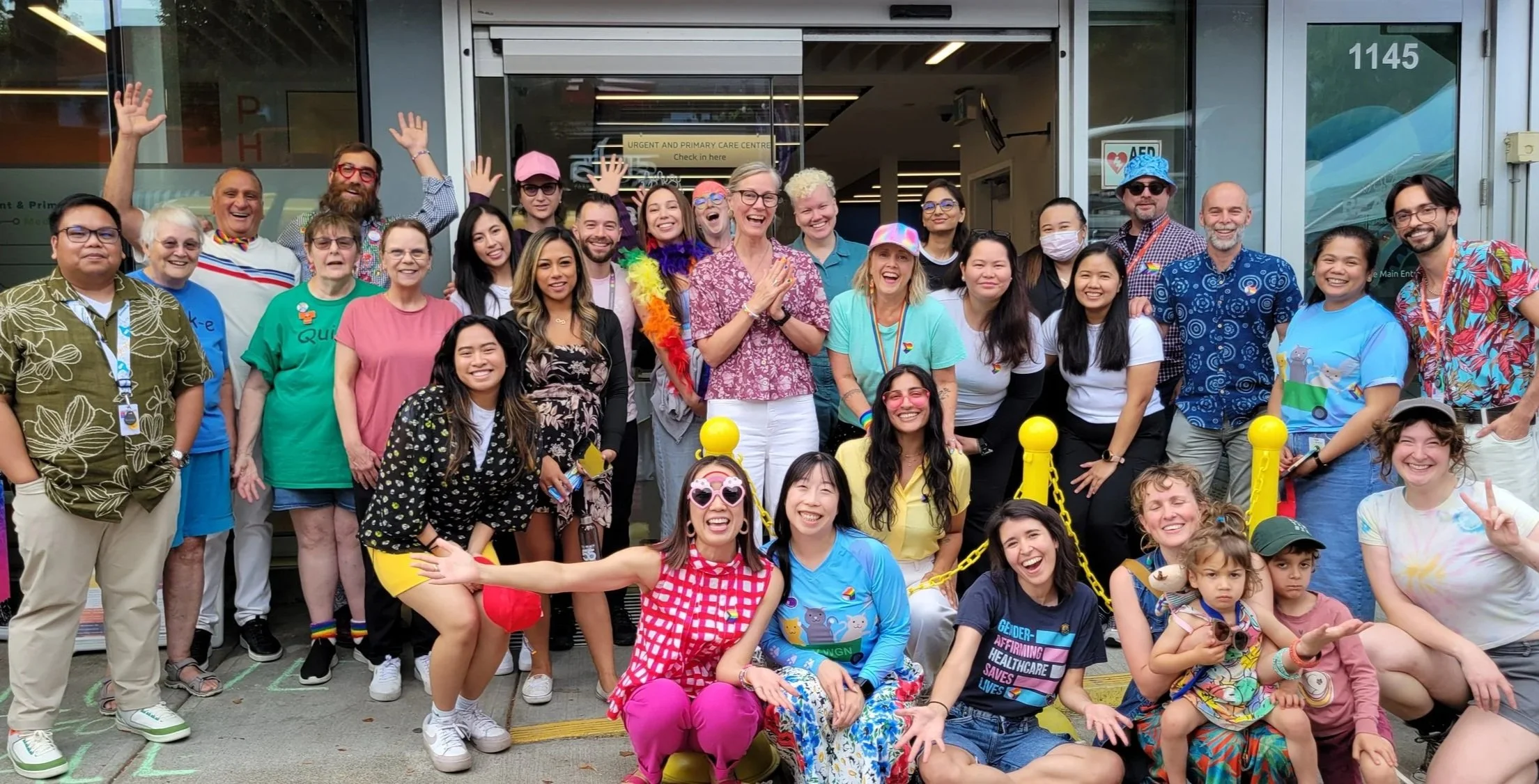
Melinda with the REACH team at the annual Pride @ REACH outreach event, celebrating inclusion, community, and connection.